Source IP67 Metal Pressure Transmitter for Industrial, Automotive, and Water Systems
Compare 30 verified listings for the IP67 metal pressure transmitter suitable for industrial automation, automotive testing, and water treatment applications. Buyers can evaluate specifications like accuracy, pressure range, and output signals from suppliers in Changsha, China; compare the available evidence and request quotations based on your requirements.
Key considerations
Products List




Comprehensive Sourcing Guide
IP67 Metal Pressure Transmitter Sourcing Guide
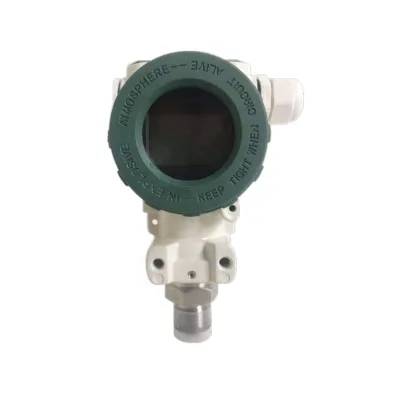
Procuring an IP67 metal pressure transmitter requires distinguishing between general stainless steel enclosures and units specifically rated for continuous submersion or harsh washdown environments. While many listings indicate IP65 protection or generic "IP Structure" descriptions, buyers must verify the specific IP67 certification for the intended application, as the provided data shows a mix of IP65 ratings and unspecified IP structures. This distinction is critical for industries like water treatment or chemical processing where temporary immersion or high-pressure cleaning is routine.
Buyers should also scrutinize the material composition, as the observed listings feature 304 and 316L stainless steel shells which offer varying degrees of corrosion resistance. The choice between these grades often dictates the suitability for specific chemical exposures or marine environments. Additionally, the presence of ceramic or piezoresistive sensor types in the market suggests a need to match the internal sensing technology with the external metal housing to ensure long-term reliability under pressure fluctuations.
Product Scope and Observed Listing Signals
The current market for metal pressure transmitters displays a wide variance in model numbers, ranging from the PPM-T230D series to the HPTM180, indicating diverse functional scopes. Listings frequently cite pressure ranges from 050kPa up to 40MPa, covering both low-pressure gauge applications and high-pressure industrial processes. This breadth means buyers must carefully map their specific pressure requirements against the observed 050bar and 0~50kPa...40MPa ranges to avoid selecting a unit with insufficient headroom or excessive cost.
Observations also reveal significant differences in output signal types, including analog currents like 420mADC and voltages such as 05VDC or 010VDC, alongside digital options like RS485 and I2C. The supply voltage requirements vary widely, with some units accepting 1030 VDC while others operate on 5V or 24VDC. This variability necessitates a strict review of the electrical interface compatibility with existing control systems before finalizing a purchase, as mismatched signals can render a technically sound sensor unusable in the field.
Technical Specifications to Verify
Accuracy is a primary technical differentiator, with observed grades ranging from 0.2G to 0.5G and accuracy specifications listed as 0.5%F.S. for pressure and 0.4℃ for temperature. Buyers must verify if the 0.2G accuracy grade applies to the specific model they are considering, as lower accuracy units may introduce significant errors in precision control loops. The overpressure ratings also vary, with some units rated for 1.5 times the full scale and others exceeding three times, a factor that directly impacts safety margins in unstable pressure environments.
Temperature performance is another critical verification point, with working ranges observed from -35105℃ and storage ranges extending to -40105℃. The inclusion of PT100 or PT1000 temperature sensors in some models suggests integrated compensation capabilities, which are essential for maintaining accuracy across extreme thermal shifts. Buyers should confirm the specific operating temperature limits of the chosen unit to ensure it will not drift or fail when exposed to the ambient conditions of their specific installation site.
Compliance and Safety Documentation
While ISO certification is explicitly noted in the product attributes, other common safety standards like CE or DIN 43650 appear with lower confidence in the provided data. Buyers should request formal certification documents rather than relying on marketing claims, ensuring that the electrical connectors, such as Parker connectors or aviation plugs, meet the specific safety regulations of their target market. The absence of explicit CE or DIN certification in the high-confidence facts means these must be verified through direct supplier documentation before deployment in regulated industries.
Electrical safety and protection ratings are equally vital, with observed protection levels including IP65 and specific wiring types like two-wire configurations. The standard package for exporting and carton packing methods should be evaluated to ensure they provide adequate protection during transit, especially for sensitive electronic components. Buyers must confirm that the packaging standards align with the fragility of the internal semiconductor or ceramic sensors to prevent damage before the product even reaches the installation site.
Cost Drivers and Commercial Terms
The observed price range of 3.5 to 530 USD indicates that cost is heavily influenced by the complexity of the sensor technology and the precision of the accuracy grade. Units with higher accuracy, such as the 0.2G grade, or those featuring advanced digital outputs like RS485 and I2C, likely command the higher end of this spectrum. Buyers should expect that the cost will scale with the required pressure range, with high-pressure units capable of 40MPa generally costing more than low-pressure gauge transmitters.
Minimum Order Quantities (MOQ) observed between 1 and 50 units suggest flexibility for small-scale testing but may require bulk commitments for large projects. Customization is listed as available, which can introduce additional costs and lead times depending on the extent of the modification required. Buyers should clarify whether the standard export packaging is included in the base price or if specialized packaging for hazardous environments incurs a separate fee, as this can significantly impact the total landed cost.
Supplier Qualification and Quality Control
The production process for these transmitters varies, with some units utilizing integration processes while others rely on ceramics for the sensor element. This difference in manufacturing methodology affects the quality control protocols required; ceramic-based sensors often need specific testing for thermal stability and chemical resistance. Buyers should inquire about the specific production steps taken to ensure the integrity of the stainless steel shell and the internal sensor assembly to prevent leaks or signal drift over time.
Origin information points to Changsha, China, as a primary manufacturing hub for these devices, which implies a specific supply chain ecosystem. Buyers should verify the supplier's ability to maintain consistent quality across batches, especially given the variation in accuracy grades and pressure ranges observed in the market. Establishing a clear quality assurance agreement that covers the 0.5%F.S. accuracy tolerance and the 1.5 to 3 times overpressure safety margins is essential for mitigating the risk of receiving non-compliant units.
Long-Term Procurement Checks
Long-term reliability depends on the stability of the output signal and the durability of the shell material under continuous operation. The observed storage temperature ranges of -4085℃ or -40105℃ provide a baseline for environmental resilience, but buyers must verify the actual field performance data for their specific application conditions. Regular calibration checks should be scheduled to ensure the 0.5%F.S. accuracy does not degrade over time, particularly in environments with high vibration or temperature cycling.
Maintenance planning should account for the specific thread types, such as G or M threads, and the wiring configurations like two-wire systems, which affect serviceability. Buyers should confirm the availability of spare parts and the supplier's support for troubleshooting common issues like signal noise or pressure drift. Establishing a relationship with a supplier who can provide technical support for the specific model, such as the PPM-T232C or HPTM180, ensures that any future procurement needs can be met with consistent quality and performance.
FAQs
What accuracy grades are available for these pressure transmitters?
The available accuracy grades are 0.2G and 0.5G. These specifications ensure reliable measurement performance for industrial applications. The 0.5%F.S. accuracy is commonly paired with gauge pressure references. This level of precision supports critical monitoring tasks in demanding environments.
Which pressure ranges can these transmitters measure?
These transmitters measure gauge pressures from 0 to 50kPa up to 40MPa. Some models support ranges up to 0 to 50bar. They also offer gauge, absolute, and sealed gauge pressure references. This wide range accommodates diverse industrial sensing requirements effectively.
Can these devices be customized for specific projects?
Yes, customization is available for these pressure transmitters. The products are marked as customized to meet specific needs. Buyers can request tailored solutions for unique industrial applications. This flexibility allows for precise integration into existing systems without compromising performance.
What output signals do these transmitters provide?
Output signals include analog types such as 4-20mADC, 0-5VDC, and 0-10VDC. RS485 digital output is also supported for some models. I2C and 0.5-4.5V outputs are available for specific sensor types. This variety ensures compatibility with various control systems and data loggers.
What materials are used for the transmitter shell?
The shell materials are 304 and 316L stainless steel. These materials provide robust protection and corrosion resistance. The stainless steel construction ensures durability in harsh industrial environments. This material choice supports long-term reliability and consistent performance under pressure.
Where are these pressure transmitters manufactured?
These products originate from Changsha, China. The manufacturing location ensures access to established industrial supply chains. Products are packed in standard export packages or cartons. This origin supports efficient logistics and reliable delivery for international buyers seeking quality components.